


Bali has a way of looking effortless from the outside. Palm trees, temples, beach cafés, smooth scooters gliding through tropical streets. But once you arrive, you quickly learn that Bali isn’t just a postcard destination. It’s a living, deeply cultural island with its own rhythm, rules, and realities.
Most first-time visitors don’t have a bad trip to Bali. What they often have is a trip that feels more stressful, expensive, or rushed than it needed to be. Almost all of that comes down to a handful of common mistakes that are easy to avoid once you know about them.
One of the biggest mistakes is trying to see too much in too little time. Bali looks small on a map, but travel takes longer than people expect. Traffic is unpredictable, roads are narrow, and moving between areas can easily eat up half a day. Many first-timers plan to stay in multiple regions with only one or two nights each, spending more time in cars than actually enjoying the island. A slower approach, choosing fewer bases and staying longer in each place, almost always leads to a better experience.
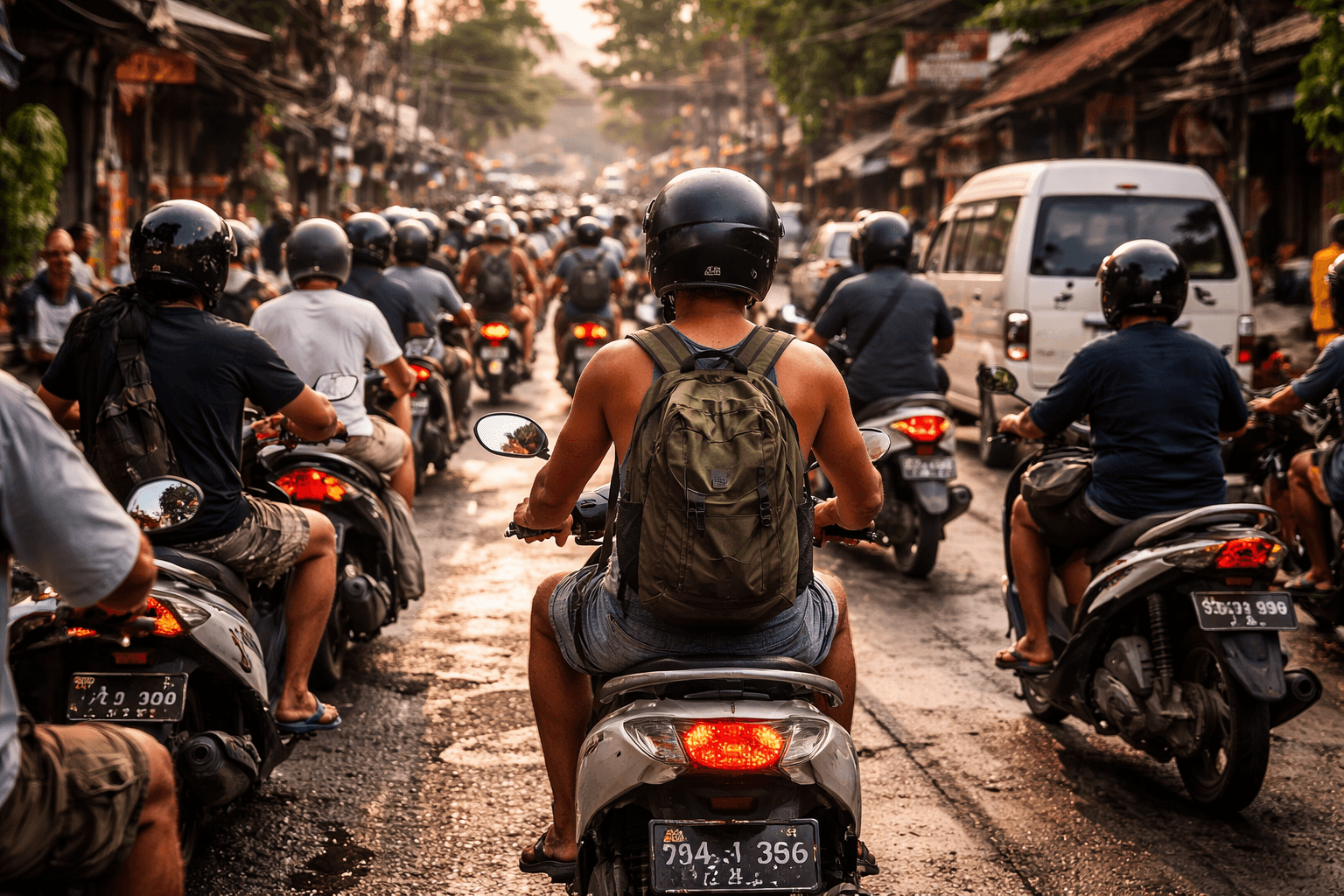
Another common mistake is underestimating Bali traffic. It’s tempting to think short distances mean quick journeys, but that’s rarely the case. Visitors often schedule tight day plans without accounting for delays, which leads to frustration and exhaustion. Giving yourself buffer time, especially when changing areas or heading to the airport, makes the entire trip feel calmer.
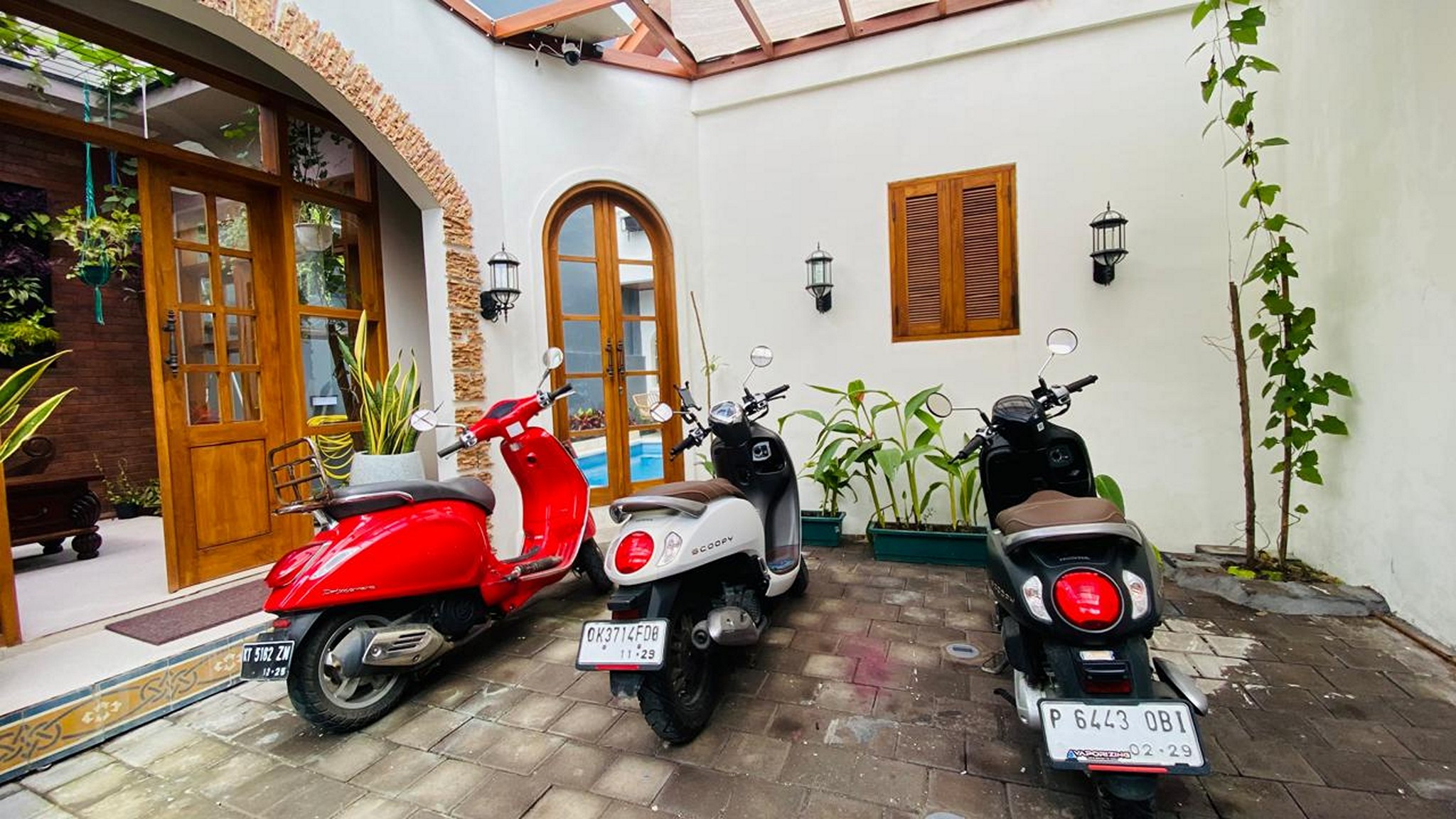
Scooters are another area where many travelers misjudge the situation. Renting a scooter looks easy and cheap, and for experienced riders it can be. For beginners, it’s often the most dangerous part of the trip. Bali’s traffic has its own logic, and accidents are common. Many first-timers assume they’ll “figure it out,” only to realize too late that confidence doesn’t replace experience. Using drivers or ride services is safer and often more relaxing, especially on short visits.
Cultural misunderstandings are also high on the list. Bali is tolerant and welcoming, but it’s not a theme park. Walking into temples without proper clothing, stepping on offerings, or behaving loudly during ceremonies are mistakes that usually come from ignorance, not disrespect. Taking a moment to learn basic etiquette, wearing a sarong when required, and observing how locals behave goes a long way and often leads to more meaningful interactions.
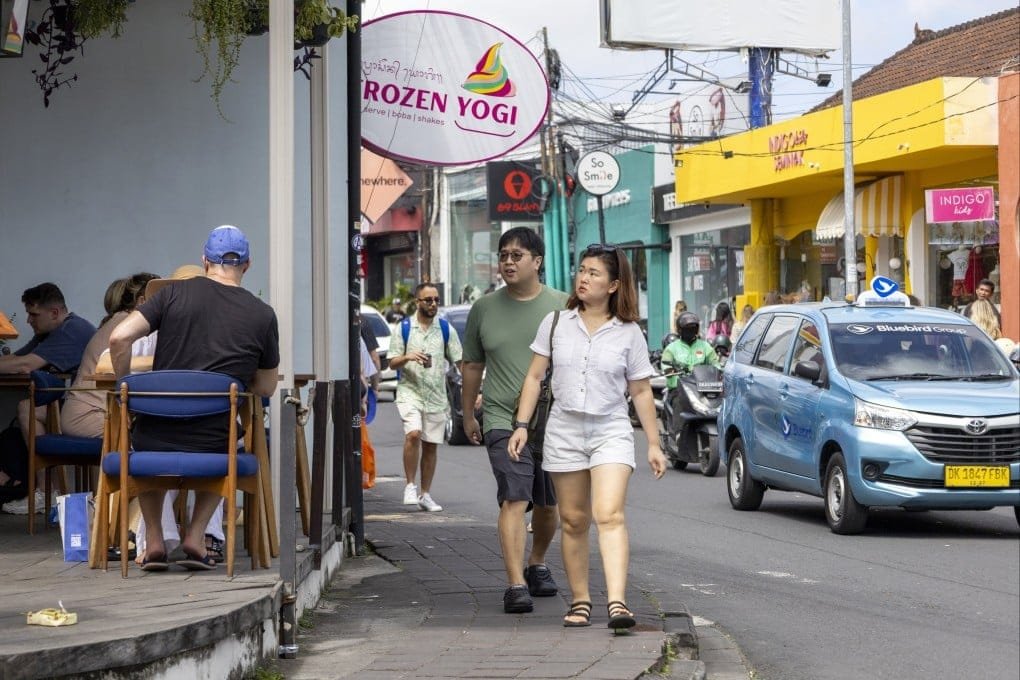
Money is another area where expectations don’t always match reality. Some first-time visitors arrive assuming Bali is extremely cheap across the board. While you can travel on a budget, prices vary hugely depending on lifestyle choices. Trendy cafés, beach clubs, and imported products can add up quickly. Not planning a realistic daily budget often leads to overspending early in the trip and unnecessary stress later on. –> How expensive is Bali?
Accommodation choices can also shape the experience more than people expect. Many travelers book places based purely on photos without understanding the area. Staying far from where you spend most of your time can mean long daily commutes. For example, staying in Ubud suits travelers interested in culture, nature, and wellness, while Canggu is better for surfing, cafés, and social life. Seminyak offers convenience and comfort, but a very different atmosphere from quieter parts of the island. Choosing the wrong base isn’t a disaster, but it can quietly affect how much you enjoy your days.
Many first-timers also forget to factor in Bali’s climate. The heat and humidity can be draining, especially when combined with long travel days and packed itineraries. Trying to do too much in the midday sun often leads to burnout. Slowing down, resting during the hottest hours, and planning activities for mornings or late afternoons makes a big difference.
Another mistake is focusing only on famous Instagram spots. While Bali has plenty of iconic locations, chasing them all can turn the trip into a checklist rather than an experience. Some of the most memorable moments happen in quiet villages, local warungs, morning walks, or unexpected conversations. Leaving room for spontaneity often creates a deeper connection with the island.
Finally, many travelers come to Bali expecting it to magically transform them. While the island can be inspiring and grounding, it’s not a cure-all. The best trips happen when expectations are realistic and flexible. Bali gives back most to those who meet it with patience, curiosity, and openness rather than a rigid idea of how it should feel.
Avoiding these common mistakes doesn’t require expert knowledge or months of planning. It simply means slowing down, respecting the local culture, and allowing Bali to unfold at its own pace. Do that, and your first trip is far more likely to be one you’ll want to repeat rather than rush through.