



Bali is easy to love, but not always intuitive to travel. Below you’ll find clear answers to the most common questions travelers have before and during their stay.
🌡 Weather & Timing
- When is the best weather on Bali?
- When are the best months to travel to Bali?
- When is the cheapest time to visit Bali?
- Is Bali worth visiting during the rainy season?
✈️ Flights & Entry Requirements
- Do I need a visa for Bali?
- Where can I find the cheapest flights?
- What type of visa is required for Indonesia?
- What are the travel requirements for Bali / Indonesia?
- How long must my passport be valid to travel to Bali?
- Do I need a return or onward ticket to enter Bali?
- Bali Tourist Levy (Tourist Tax)
🩺 Health & Safety
- Is vaccination necessary for Bali?
- What is the best travel insurance?
- Is tap water safe to drink in Bali?
🏨 Accommodation & Staying in Bali
🚕 Transport & Getting Around
- How does public transport and taxi service work on Bali?
- What is needed to ride a scooter?
- Where are the most beautiful beaches on Bali?
💳 Money & Practicalities
📱 Connectivity
🚤 Islands & Fast Boats
When is the best weather on Bali?
When is the best weather on Bali?
The best weather in Bali is usually during the dry season (April to October) — lower humidity, less rain, and clearer days for beaches and sightseeing.
Bali sits in the tropics (about 8° south of the equator), so temperatures stay fairly stable year-round — often around 28–32°C near the coast.
Quick rule of thumb
- Best overall months: May, June, September (great weather + often less crowded than peak months)
- Busiest months: July & August (peak season; higher prices)
- Wettest period: December to February (more rain + higher humidity)
Also keep in mind: Bali isn’t one temperature everywhere. In higher areas (around volcanoes and mountain regions like Mt. Agung), evenings can feel surprisingly cool — sometimes 15–18°C.
Dry season (April to October)
Expect sunny days, lower humidity, and cleaner ocean water. Rain can still happen, but it’s often short and more likely at night.
- Pros: best beach conditions, great visibility, comfortable for day trips
- Cons: peak season pricing (especially July–August) and more crowds
- Surf note: dry season is often best on the west coast for bigger swells
Rainy season (November to March)
It’s hotter and more humid, and rain is more frequent (sometimes heavy). You’ll also notice more debris in the ocean and on beaches after storms.
Tip: air out clothes regularly (humidity can make things feel damp)
Pros: fewer crowds, often cheaper accommodation, lush landscapes
Cons: humidity, occasional full rainy days, beach cleanliness can vary
When are the best months to travel to Bali?
The best months to visit Bali are generally May, June, and September.
These months fall within the dry season but are usually less crowded than peak summer, offering a good balance of weather, prices, and visitor numbers.
- Dry season: April to October
- Peak months: July and August (busiest and most expensive)
- Best balance: May, June, September
Temperatures remain fairly stable year-round (around 28–32°C), but humidity is lower during the dry season, making sightseeing more comfortable.
When is the cheapest time to visit Bali?
The cheapest time to visit Bali is typically during the rainy season, from November to March, excluding Christmas and New Year.
During this period:
- Accommodation prices are often lower
- Flights can be cheaper
- Popular areas are less crowded
However, expect:
- Higher humidity
- More frequent rain (often short but sometimes heavy)
- Rougher sea conditions at times
Many travelers still enjoy Bali in the rainy season — especially if budget and fewer crowds are a priority.
Is Bali worth visiting during the rainy season?
Yes. Bali is still worth visiting during the rainy season, especially if you’re flexible and not focused solely on beach days.
Rain usually comes in short bursts, often in the afternoon or evening, and landscapes are at their greenest. For cultural activities, food, wellness, and inland areas, the rainy season can be a good choice.
Where to find the cheapest flights?
Start with Google Flights to compare routes and dates, then book directly with the airline if the price is similar.
To save money:
For many routes, booking 2–4 months ahead is a good baseline (earlier for peak season)
Be flexible with dates (even 1–2 days can change prices a lot)
Mid-week flights are often cheaper than weekends
What is the best travel insurance?
The best travel insurance is the one that covers medical care, emergencies, and your actual activities (especially scooters, surfing, diving, hiking).
Travel insurance matters in Bali because medical costs can add up quickly in private clinics/hospitals, and many travelers don’t realize what is (and isn’t) covered until they need it.
What to check before buying
Trip interruption, luggage, and personal liability (optional but useful)
Emergency medical coverage + hospital treatment
Medical evacuation (important for serious cases)
Coverage for scooter riding (this is a big one)
Adventure sports coverage (diving, surfing, etc.)
- World Nomads – Well-known for covering adventure activities. They offer flexible and affordable plans for travelers. World Nomads Travel Insurance
- Allianz Travel – A reputable global company that offers comprehensive coverage, including medical, luggage, and trip cancellations. Allianz Travel Insurance
- SafetyWing – Offers budget-friendly plans and is popular among digital nomads and long-term travelers. Their coverage includes medical emergencies and travel disruptions. SafetyWing Travel Insurance
Important scooter note: Many claims get denied if you don’t have the correct license, or if “motorbike riding” is excluded.
Do I need a visa for Bali?
Most tourists need a visa to enter Indonesia (Bali), unless they qualify for a specific exemption (for example, ASEAN citizens under certain conditions).
The most common option for tourists is the Visa on Arrival (VOA) or electronic Visa on Arrival (e-VOA):
- Valid for 30 days
- Extendable once for another 30 days (total 60 days) indonesianembassy.de+2evisa.imigrasi.go.id+2
If you want to arrange it in advance, the official Indonesian eVisa portal supports e-VOA applications.
What visas are required for Indonesia?
For tourism, many visitors use a 30-day Visa on Arrival (VOA) which can usually be extended once for another 30 days. You can often get it at the airport or apply online depending on eligibility.
If you’re staying longer, there’s also a 60-day visa (B211A) which can be extended further (often up to 180 days total with extensions).
Important: Visa rules can change. Always confirm the latest requirements before you fly.
How long must my passport be valid to travel to Bali?
Your passport should be valid for at least 6 months beyond your arrival date in Indonesia and should have at least 2 blank pages, otherwise you can be denied entry.
Do I need a return or onward ticket to enter Bali?
Yes — travelers entering Indonesia (including Bali) are generally expected to have a return or onward ticket. You may be asked to show it by your airline during check-in or by immigration on arrival (even if it’s not always checked).
Tip: A digital copy (phone screenshot / email confirmation) is usually enough.
What are the travel requirements for Bali / Indonesia?
For most tourists, entry to Bali/Indonesia is straightforward. In general, you should have:
- A passport valid at least 6 months from your arrival date
- At least 2 blank passport pages
- A visa (most travelers use Visa on Arrival / e-VOA, depending on nationality)
- Proof of onward/return travel (sometimes requested)
- In some cases, immigration may ask for proof you can support yourself financially (rare, but possible)
Bali Tourist Levy (Tourist Tax)
Bali charges a one-time tourist levy of IDR 150,000 per person per entry (international visitors). It’s intended to support Bali’s environment and culture.
You can pay it via the official Love Bali website or app, either individually or as a group, and you’ll receive a proof of payment.
Is vaccination necessary for Bali?
No vaccines are mandatory for most travelers, but some are commonly recommended depending on your health and travel plans.
Many travelers consider:
- Hepatitis A & B
- Typhoid
- Rabies (especially if you’ll be around animals or staying long-term)
- Dengue vaccine (availability varies; consult a travel clinic)
Medical note: Always speak with a doctor or travel clinic for advice tailored to you.
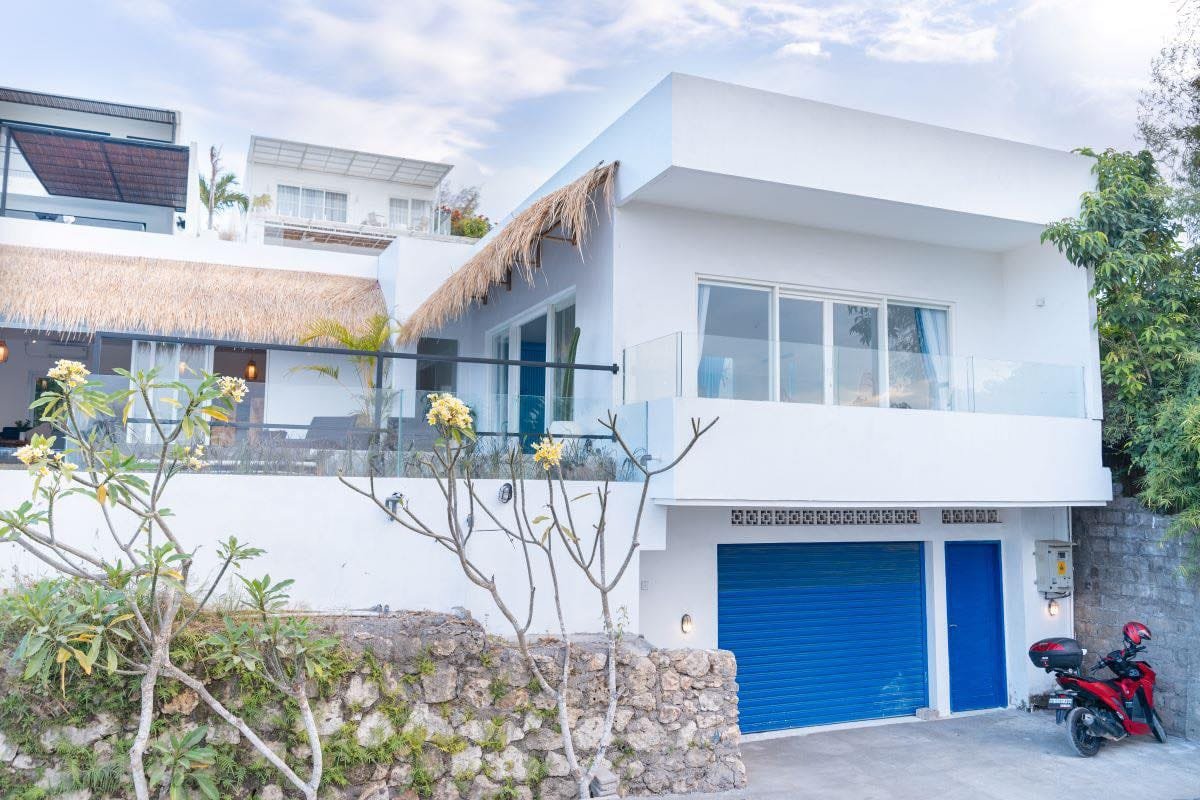
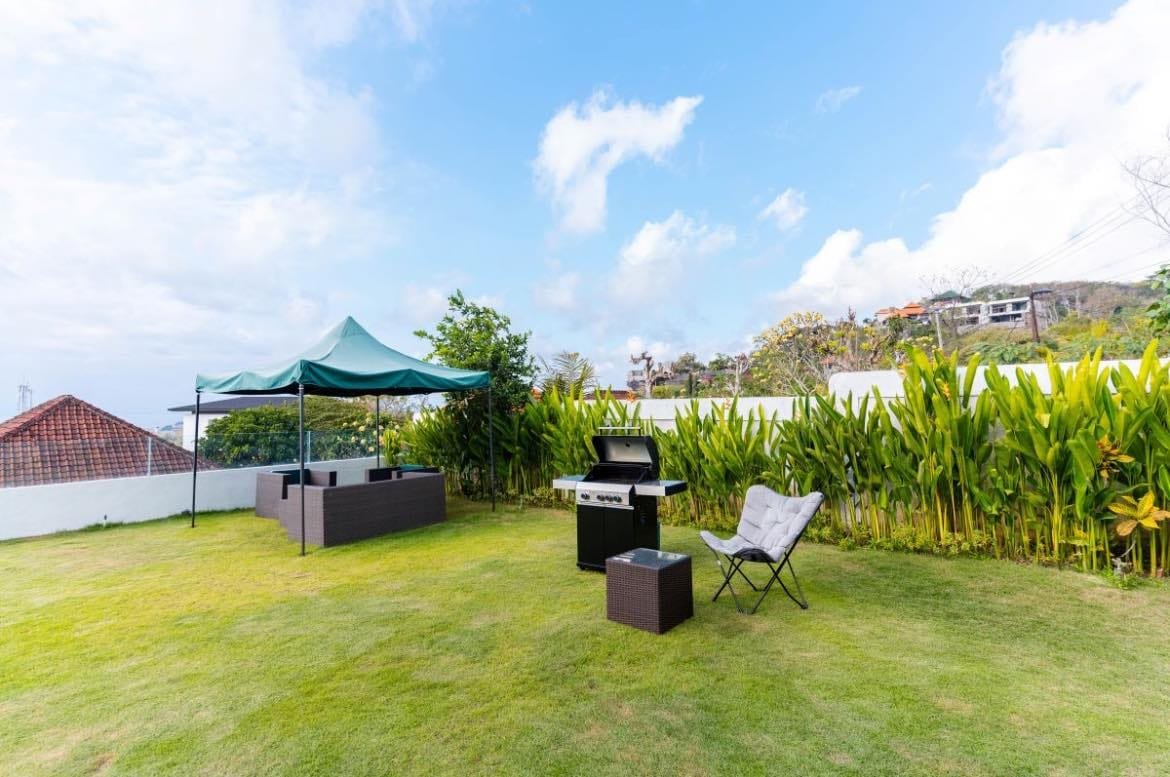
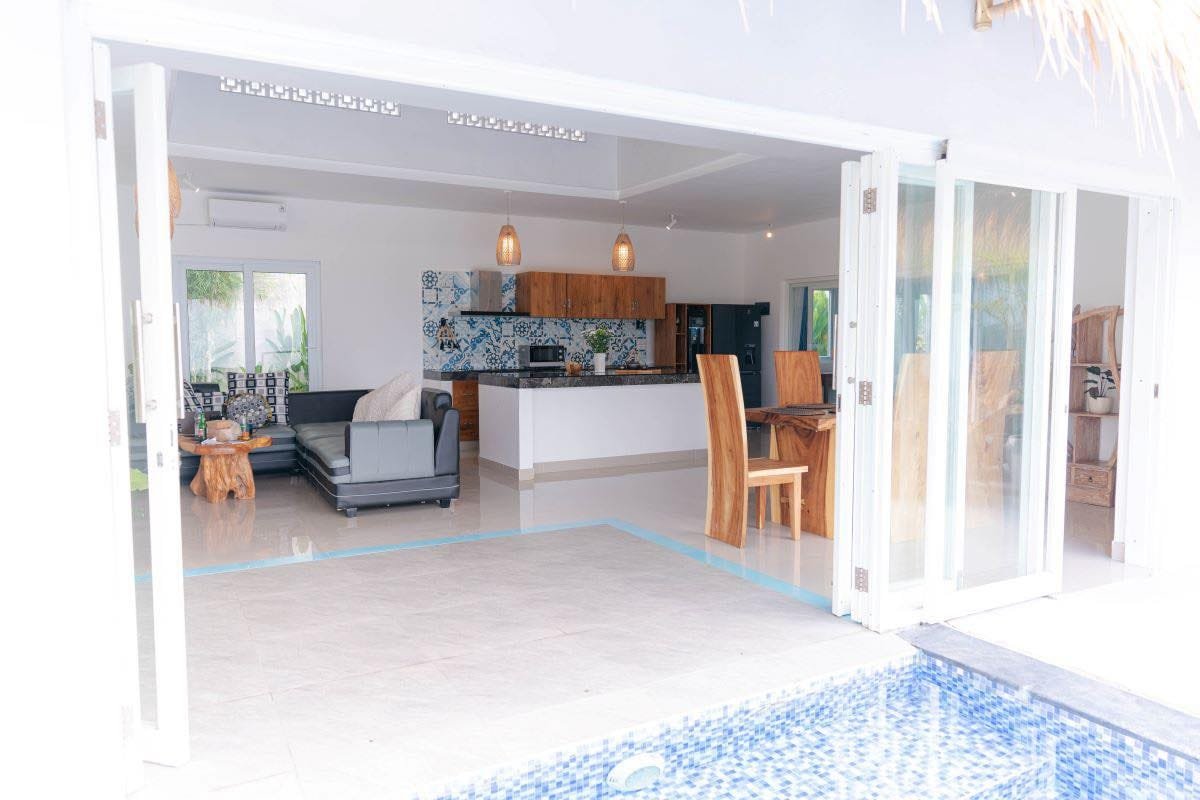
How to find affordable accommodation?
Bali has an enormous range of accommodation — from budget guesthouses to hotels and private villas — and where you stay has a huge impact on your overall trip. One of the smartest ways to save time and money is to stay in different areas instead of commuting long distances every day.
To make this easy, we list our own handpicked Bali accommodation options, all bookable directly via Booking.com. We focus on good locations, strong reviews, and solid value — no random listings, no guesswork.
👉 Find the best Bali accommodation here
(Hotels, guesthouses & villas — powered by Booking.com)
Booking through our site gives you the better to same prices as Booking.com, while supporting Bali Exploring at no extra cost.
How does public transportation and taxis work on Bali?
Public transport exists, but it’s not the easiest way to travel Bali as a tourist. Most visitors use a mix of ride-hailing apps, taxis, and drivers.
Best options
- Taxi: BlueBird (reliable)
- Apps: Grab and GoJek (cars + scooters)
- Private driver: best for full-day plans with multiple stops
When to hire a driver
- You have multiple stops (temples/waterfalls/viewpoints)
- You’re traveling as a group
- You don’t want the stress of navigation/parking
Note: In some areas, ride-hailing apps can be restricted, and local transport may be required.
What do you need to drive a scooter on Bali?
If you want a reliable, official scooter rental with clear terms and fewer headaches, the safest option is to book through our trusted rental partner. This is the easiest way to get a properly maintained scooter, transparent pricing, and support if something goes wrong.
Yes, you’ll see local scooter rental shops everywhere in Bali, and some of them are perfectly fine. However, this is where many tourists get into trouble.
Here’s what people often don’t realize:
- A large number of rentals operate without proper contracts
- Scooters can be in poor technical condition
- Damage disputes are common
- If you have an accident without the correct license or insurance, it can cost you a lot of money
- Scams and inflated “repair fees” are unfortunately common
If you choose a local rental:
- Inspect the scooter carefully (brakes, lights, tires)
- Take photos or videos before riding
- Never hand over your passport as a deposit
- Make sure you are legally allowed to ride and insured
If you’re unsure, paying a bit more for a trusted, official rental is often far cheaper than dealing with problems later.
Where are the most beautiful beaches on Bali?
Bali has beautiful beaches everywhere — the “best” beach depends on what you want to do. Here’s a quick guide:
Swimming and calmer water
For calmer conditions and sandy beaches in the south:
- Nusa Dua
- Jimbaran
- Padang Padang (check conditions; can vary)
For calmer areas outside the south:
- Around Amed (varies by spot)
- Near Menjangan (Northwest)
Surfing
- Beginners: Kuta, Canggu (depends on season and beach), beginner-friendly schools
- Experienced surfers: follow current surf conditions
- Seasonal tip: dry season often suits the west coast, rainy season can favor the east
Snorkeling and diving
Best-known areas:
- Amed (great snorkeling + diving)
- Menjangan (amazing reefs)
- Nusa Penida (manta rays; mola-mola in season)
- Gili Islands (turtles and coral; underwater statues near Gili Meno)
Sand color
- South: mostly lighter/yellow sand
- North: more black-sand beaches
Cliffs and viewpoints
Bali has great cliff spots, but one of the most famous postcard viewpoints is actually on Nusa Penida: Kelingking (T-Rex) Beach.
Restaurants and sunsets
Sunsets are often best on the west side of the island. Popular areas include:
- Tanah Lot
- Kuta
- Canggu
- Jimbaran (seafood dinners right on the sand)
Currents and safety
Some areas have strong currents. Treat the ocean with respect:
If you feel pulled, don’t fight straight back — move diagonally toward shore if possible and call for help
Don’t swim alone in empty spots
If locals aren’t swimming, there’s often a reason
What currency is used on Bali and how to exchange money?
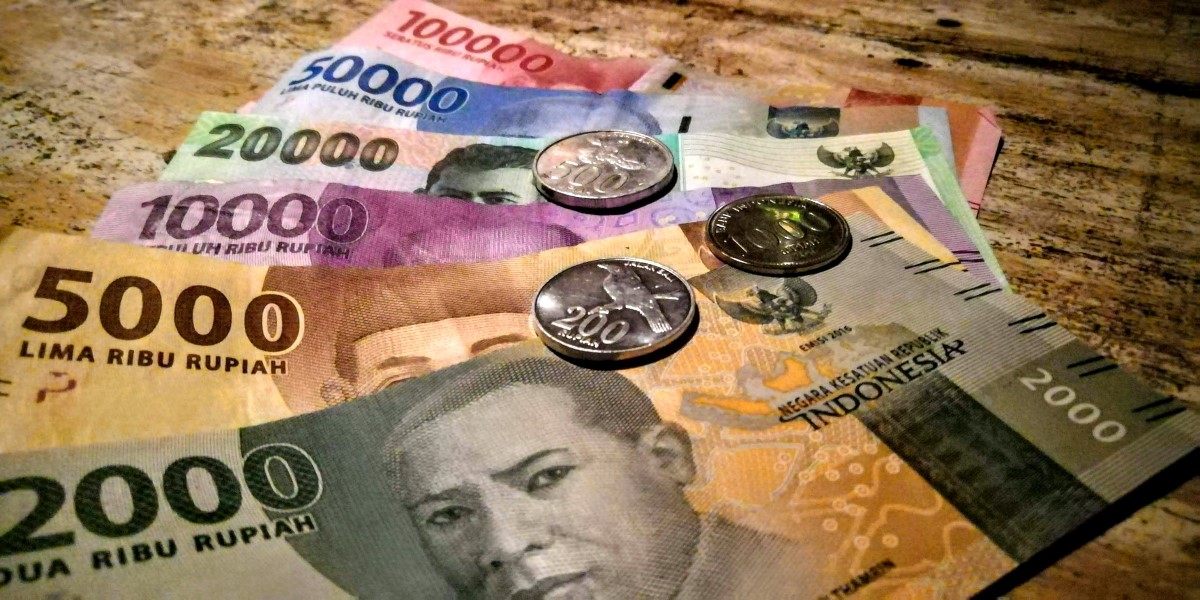
Bali uses the Indonesian Rupiah (IDR). Cash is still very common, especially outside major tourist areas.
Currency
Coins: 100, 200, 500, 1,000 IDR
Banknotes: 1,000 up to 100,000 IDR
Exchanging money
Bring either euros or dollars if you want, but exchange rates change — there’s no universal “best” currency.
Important: Use larger, reputable exchange offices (ideally with cameras). Avoid tiny kiosks offering “too good” rates.
ATMs
ATMs are widely available. It’s smart to:
- Withdraw fewer times (fees can add up)
- Tell your bank you’re traveling to Indonesia to avoid card blocks
- Keep a backup payment option (another card or some cash)
Your bank may also charge fees, so check your card’s international withdrawal policy.
Is tap water drinkable on Bali?
No — don’t drink tap water in Bali. Use bottled or filtered/refill water.
Most accommodations offer bottle refills (free or small fee), and bottled water is available everywhere. Large refill gallons are common and easy to exchange in local shops.
Do you need a plug adapter on Bali?
Usually no. Bali commonly uses the same plug types as most European countries. Power cuts can happen occasionally, so a small power bank is useful.
Where and what kind of SIM card should I buy?
Buy a local SIM (or eSIM) for affordable data. Avoid expensive roaming packages from your home provider.
A popular choice is Telkomsel for coverage. You can buy at the airport, but it’s often overpriced there. Better value is usually found at phone shops around the island.
What to bring
- Your passport
- The phone you’ll use (registration is common)
Tip: The Telkomsel app often shows better-value data packages.
WhatsApp will still work with your original number even if you change SIMs.
TIP: If you download the Telkomsel app, you will find better data packages.
Where to buy the best fast boat tickets?
Fast boat tickets are sold everywhere in Bali — online, in shops, on the street — but this is also an area where travelers often run into problems. Prices vary wildly, schedules change, and it’s not always clear which company you’re actually booking with.
Booking through 12Go avoids most of these issues because you can:
- Compare routes, schedules, and operators in one place
- See real reviews before booking
- Get clear ticket conditions and confirmation
- Avoid overpaying or last-minute surprises
It’s especially worth using 12Go during busy periods or rougher sea conditions, when reliability matters more than saving a few dollars.
In short: if you want clear options, transparent pricing, and fewer headaches, booking your fast boat through 12Go is the smart move.
Basic Information about Bali
Capital: Denpasar
Area: 5,780 km²
Population: ~4.22 million
Languages: Indonesian, Balinese
Religion: Balinese Hinduism (majority), Islam, Christianity, Buddhism
Time zone: CET +7 (winter), +6 (summer)
Currency: Indonesian Rupiah (IDR)
Calling code: +62
Highest mountain: Mount Agung (3,142 m)