



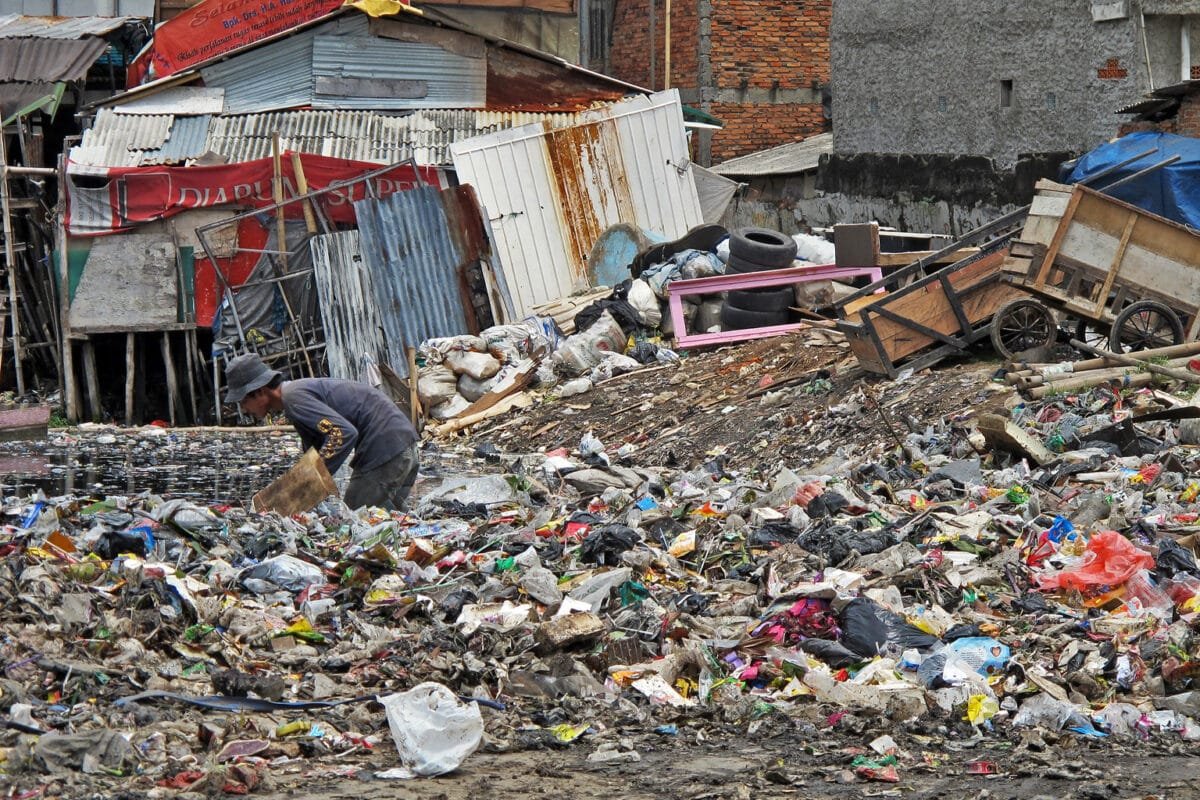
Indonesia is preparing one of its most ambitious infrastructure transformations in years: turning its growing waste crisis into electricity at a national scale. Beginning in 2026, waste-to-energy projects will move from isolated pilots into a coordinated rollout across dozens of cities, backed by massive state investment and a new regulatory framework.
At the center of this push is Danantara Indonesia, which has positioned waste-to-energy as a core pillar of its long-term strategy. Combined with other national strategic projects, the investment value associated with the 2026 rollout has been widely framed at up to Rp 600 trillion, signaling a decisive shift in how Indonesia plans to handle waste, energy security, and urban resilience.
This is not just an environmental story. It is a financial, political, and social one — and its impact will be felt far beyond landfills.
From Waste Emergency to National Strategy
Indonesia’s waste problem has reached a breaking point in many urban areas. Rapid population growth, consumption patterns, and limited landfill capacity have resulted in visible garbage accumulation, public health concerns, and emergency declarations in several regions.
For years, waste-to-energy projects were discussed but rarely executed at scale. High costs, unclear regulations, and financing risks slowed progress. What makes 2026 different is the government’s decision to centralize coordination, strengthen guarantees, and treat waste-to-energy as critical infrastructure, not an experimental solution.
Under the new approach, waste management is no longer viewed as a local burden alone. It is being reframed as a national energy and resilience issue.
Why the Numbers Are So Big
Waste-to-energy plants are capital-intensive by design. Facilities capable of processing more than 1,000 tons of waste per day require advanced technology, grid integration, environmental controls, and long development timelines. When multiplied across dozens of cities, the financial scale expands quickly.
Rather than funding these projects city by city, Indonesia is bundling them into a broader national investment pipeline. This allows for risk sharing, standardized contracts, and clearer returns — all essential for attracting long-term capital.
The result is a valuation that places waste-to-energy among the country’s most expensive and consequential infrastructure programs of the decade.
34 Cities, One Coordinated Rollout
The initial rollout targets 34 cities and regencies facing the most acute waste pressure, particularly those producing more than 1,000 tons of waste per day. These areas represent the tipping point where traditional landfill solutions are no longer viable.
The goal is not only to reduce waste volume, but to convert it into reliable baseload electricity supplied to PLN, Indonesia’s state-owned power utility. In theory, this creates a dual benefit: cleaner cities and additional energy capacity without relying solely on fossil fuels.
What Waste-to-Energy Actually Delivers
At full operation, a modern waste-to-energy facility can dramatically reduce the volume of waste sent to landfills while producing steady electricity. Depending on technology and feedstock quality, a single plant can power tens of thousands of homes.
Supporters argue this makes waste-to-energy uniquely suited to dense urban environments where land is scarce and waste volumes are constant. Critics counter that it must be paired with serious recycling and waste-reduction policies to avoid locking cities into incineration-heavy systems.
Both sides agree on one thing: execution will determine success.
Where Bali Fits Into the Picture
For Bali, the waste-to-energy discussion carries particular weight. Tourism, population density, and limited landfill options make waste management a long-term challenge. Denpasar has frequently been mentioned in national waste-management conversations, placing the island firmly on the strategic map.
If implemented carefully, waste-to-energy could ease landfill pressure and support Bali’s sustainability goals. If implemented poorly, it could raise environmental concerns that directly affect tourism and public trust.
This makes transparency and local engagement especially critical.
The Debate: Solution or Expensive Shortcut?
Waste-to-energy remains controversial. Environmental groups warn that overreliance on incineration can discourage waste separation, recycling, and reduction at the source. There are also concerns about emissions, ash disposal, and long-term financial commitments.
On the other hand, proponents argue Indonesia cannot recycle its way out of the current crisis fast enough. With landfills reaching capacity and waste piling up in public spaces, they see waste-to-energy as a necessary part of a broader toolkit — not a replacement for better waste habits, but a complement to them.
This tension will define public debate throughout 2026.
What Will Define Success in 2026
The real test will not be announcements or valuations, but results. Key indicators to watch include how many projects actually break ground on schedule, how emissions and environmental safeguards are handled, and whether recycling and waste separation improve alongside energy generation.
Financial transparency will also matter. With state capital and long-term guarantees involved, public confidence will depend on whether these projects deliver measurable benefits without becoming fiscal burdens.
The Bigger Picture
Indonesia’s waste-to-energy push represents a broader shift in how the country approaches infrastructure challenges: centralized, large-scale, and tightly linked to national development goals.
If it works, it could redefine waste management across Southeast Asia. If it fails, it will become a cautionary tale about scale, cost, and complexity.
Either way, 2026 will be a defining year.