


The Ogoh-Ogoh Festival in Bali is not just another cultural event. It is one of the most visually striking, emotionally intense, and spiritually meaningful nights on the island, and in 2026, interest in the Ogoh-Ogoh Festival and Nyepi travel is expected to be higher than ever.
As travelers increasingly search for authentic cultural experiences, keywords like “Ogoh-Ogoh Festival Bali 2026,” “Nyepi Bali travel guide,” “Bali cultural festivals,” and “things to do in Bali in March” are already becoming high-intent search terms. This makes Ogoh-Ogoh an ideal moment to plan a trip — and an ideal topic to plan content around.
Here’s a complete, reader-friendly guide to what Ogoh-Ogoh is, how to prepare, where to experience it, and how to enjoy Bali before and after Nyepi.
What Is Ogoh-Ogoh and Why It Matters in Bali
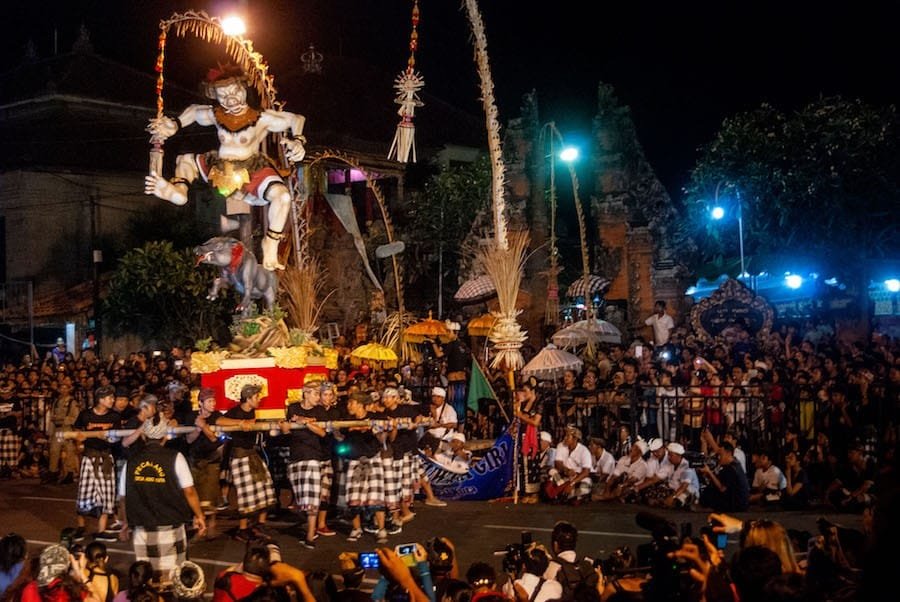
Ogoh-Ogoh are massive handmade statues, often several meters tall, representing demons, spirits, or negative human traits. These figures are created over months by local community youth groups and are deeply tied to Balinese Hindu beliefs.
On the night before Nyepi, Ogoh-Ogoh are paraded through the streets in a dramatic procession filled with fire, chanting, traditional music, and enormous crowds. The purpose is symbolic purification: the noise and chaos are meant to drive away negative forces before the Balinese New Year begins in total silence.
For visitors, the Ogoh-Ogoh festival offers something rare in modern travel — a raw, unscripted cultural experience that isn’t designed for tourists, but generously shared with them.
Ogoh-Ogoh Festival 2026: Dates & Timing
The Ogoh-Ogoh parade takes place on the eve of Nyepi, which is expected to fall in mid-March 2026. Because the date is determined by the Balinese lunar calendar, travelers should always double-check closer to arrival.
Nyepi itself follows immediately after Ogoh-Ogoh night and lasts a full 24 hours. During this time, the entire island of Bali comes to a complete stop — including the airport.
How to Prepare for Ogoh-Ogoh as a Traveler
Preparing for Ogoh-Ogoh is less about packing special gear and more about understanding what the night involves. Roads in many areas close as crowds gather, and traffic becomes extremely limited. Choosing accommodation within walking distance of a parade route can make the entire experience far more enjoyable.
It’s also important to remember that Ogoh-Ogoh is a sacred ritual, not a performance. Dressing respectfully, avoiding interference with processions, and being mindful with photography goes a long way in showing cultural respect.
From an SEO perspective, travelers increasingly search phrases like “is it okay for tourists to attend Ogoh-Ogoh” and “what to wear to Ogoh-Ogoh Bali”, so answering these questions naturally within content is key.
Best Places to Experience Ogoh-Ogoh in Bali


Ogoh-Ogoh celebrations happen all over Bali, but the atmosphere varies by location.
In Denpasar, the parades are intense and deeply traditional, often featuring some of the largest and most elaborate Ogoh-Ogoh statues on the island. This is where visitors see the festival at its most authentic and energetic.
Ubud offers a slightly calmer but highly artistic experience. The statues here are known for their craftsmanship, making Ubud especially appealing for photographers and travelers interested in Balinese art and symbolism.
Sanur tends to be more relaxed and family-friendly, while areas like Canggu offer smaller neighborhood parades that blend local tradition with Bali’s modern expat scene.
Nyepi Day: What Happens After Ogoh-Ogoh
If Ogoh-Ogoh night is loud and chaotic, Nyepi is its complete opposite. Known as the Day of Silence, Nyepi shuts down the entire island for 24 hours. There are no flights, no vehicles, no beaches, and no nightlife. Even lights are kept to a minimum.
For many travelers, Nyepi becomes one of the most memorable days of their trip. With no distractions, it’s a rare opportunity to slow down, reflect, read, meditate, or simply enjoy Bali’s natural environment in absolute stillness.
Search trends show growing interest in “what to do on Nyepi in Bali” and “is Nyepi safe for tourists”, making this section particularly valuable for organic traffic.
What to Do in Bali Before and After Ogoh-Ogoh
The days surrounding Ogoh-Ogoh are ideal for exploring Bali more deeply. Before Nyepi, travelers often enjoy temple visits, beach days, and watching Ogoh-Ogoh statues being built in villages — an experience few guidebooks mention, yet one that travelers increasingly search for online.
After Nyepi, Bali feels refreshed. It’s a perfect time for wellness retreats, yoga in Ubud, surfing along the southern coast, or island trips to nearby destinations like Nusa Penida. Many visitors say the calm energy after Nyepi is unlike any other time of year.
Upcoming Holidays Around Ogoh-Ogoh 2026
When planning a Bali trip for Ogoh-Ogoh 2026, it’s helpful to be aware of other holidays that may affect travel. Galungan and Kuningan, two major Balinese celebrations, often fall near this period, while international holidays like Easter can influence flight prices and hotel demand.
From an SEO standpoint, combining Ogoh-Ogoh, Nyepi, and Bali holidays calendar into one article helps capture broader seasonal search traffic rather than relying on a single keyword.
Why Ogoh-Ogoh 2026 Is Worth Planning Your Trip Around
As travel trends continue shifting toward meaningful, culturally immersive experiences, Ogoh-Ogoh stands out as one of Bali’s most powerful traditions. It offers dramatic visuals, deep symbolism, and a rare glimpse into island life that can’t be replicated at any other time of year.
For travelers — and for content creators — Ogoh-Ogoh 2026 represents a high-interest, high-search opportunity that aligns perfectly with how people plan trips in 2026: intentionally, culturally, and with purpose.