



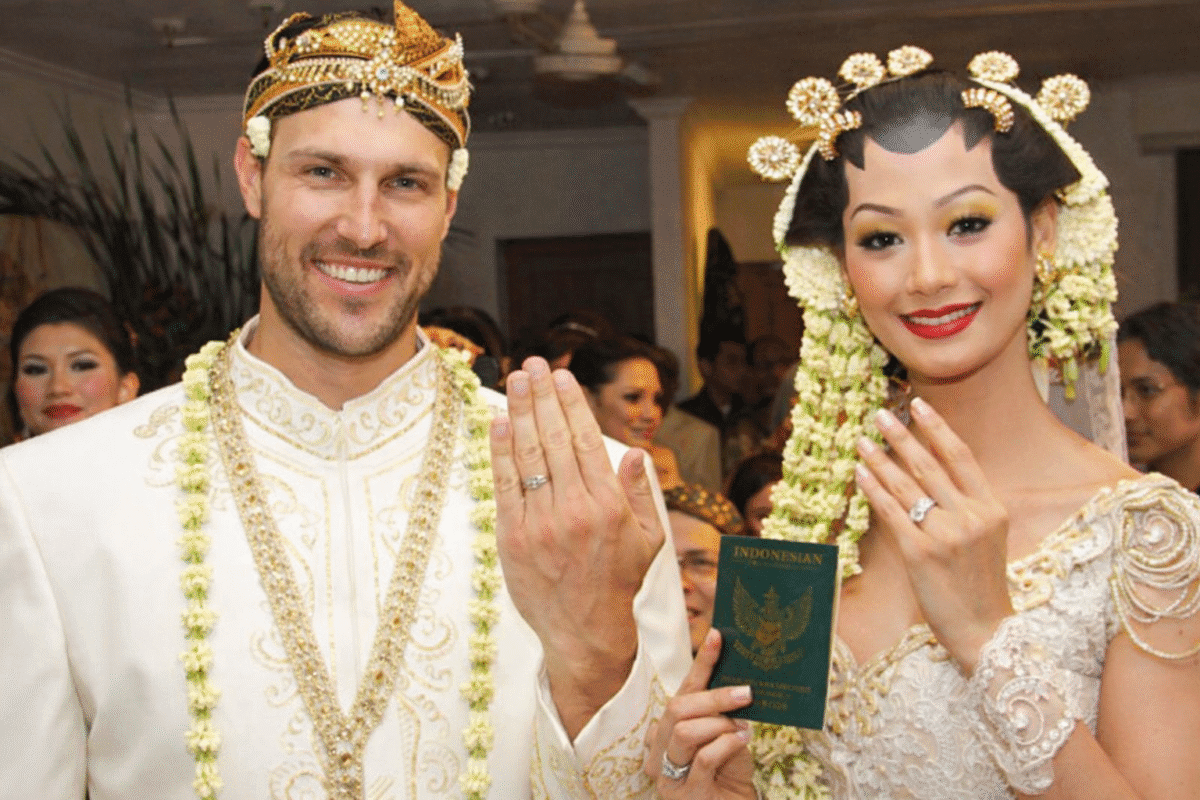
Marriage looks simple from the outside. Two people fall in love, commit, and build a life together. But in Bali, marriage carries layers of culture, religion, law, and power that many foreigners only discover after they say yes.
This isn’t a warning against love.
It’s a reality check about what marriage actually means here — especially when one partner is foreign and the other is local.
Because in Bali, marriage is never just between two people.
The short version
- Marriage in Bali is deeply tied to family, religion, and legal status
- Mixed marriages create serious visa, property, and financial dependencies
- Many foreigners don’t understand the risks until it’s too late
- Some couples thrive — others don’t recover
Let’s unpack why.
Marriage in the West vs Marriage in Bali
In many Western countries, marriage is primarily a personal contract. Two individuals decide their future, with relatively limited involvement from extended family or the state beyond paperwork.
In Bali, marriage is a social structure.
A Balinese marriage connects families, ancestors, land, and community obligations. It is not only about love — it’s about responsibility, lineage, and belonging. Once married, you don’t just marry your partner. You marry into their family system.
That difference alone creates misunderstandings long before legal issues appear.
Traditional Balinese Marriage: More Than a Ceremony
Balinese weddings are beautiful, symbolic, and spiritually rich. But they are also binding in ways many foreigners don’t fully grasp.
A local marriage ties the couple into:
- religious duties
- family ceremonies
- community expectations
- obligations that don’t end
For Balinese families, these obligations are normal. For foreigners, they can feel overwhelming, especially when expectations were never clearly discussed beforehand.
Love doesn’t remove these responsibilities. It amplifies them.
When a Foreigner Marries a Local: Where Curiosity Turns Into Reality
This is where things get complicated — and where most curiosity online comes from.
When a foreigner marries an Indonesian citizen, power dynamics shift instantly, often without either partner intending it.
On paper, the foreign partner becomes dependent.
Visas, residency status, business permissions, and even the ability to stay in the country long-term can hinge on the Indonesian spouse. If the relationship is healthy, this feels manageable. If it isn’t, it becomes a serious vulnerability.
Many foreigners don’t realize how much control they’ve handed over until conflict appears.
The Visa and Legal Dependency Few Talk About
In mixed marriages, residency permits are often tied directly to the Indonesian spouse. That means:
- your right to stay can depend on the relationship
- separation can quickly become a legal crisis
- disputes aren’t just emotional — they’re bureaucratic
Leaving the relationship can also mean leaving the country.
This dependency isn’t automatically abusive. But it creates leverage, and leverage changes dynamics — even in loving relationships.
Property and Money: Where Love Meets the Law
This is the part that causes the most long-term damage when things go wrong.
Foreigners cannot legally own land in Indonesia. In many mixed marriages, property ends up registered under the local partner’s name or a family member’s name.
At the beginning, this feels like trust. Later, it can become a trap.
If the relationship ends:
- the foreign partner may have no legal claim
- financial contributions can be impossible to recover
- informal agreements often mean nothing in court
Many foreigners only understand this risk after investing years — and savings — into a shared life.
Cultural Pressure Is Real (and Often Silent)
Balinese culture values harmony. That sounds peaceful — until conflict arises.
Problems are often handled quietly, indirectly, or through family intervention rather than direct confrontation. Foreigners used to open communication may feel confused or excluded when decisions are influenced by relatives behind the scenes.
This isn’t manipulation. It’s cultural reality.
But misunderstanding it causes resentment fast.
Why Some Mixed Marriages Thrive (And Others Collapse)
The couples that succeed long-term usually share a few things:
- clear conversations before marriage
- legal advice taken early, not later
- financial boundaries that are written, not assumed
- mutual independence, not total reliance
The couples that struggle often rushed into marriage emotionally without understanding the structure they were entering.
Love alone doesn’t bridge legal systems.
Pros and Cons of Marrying in Bali as a Foreigner
Pros
- Deep cultural connection
- Strong family networks
- Rich traditions and community life
- A sense of belonging many foreigners seek
Cons
- Legal and visa dependency
- Limited property rights
- Financial vulnerability if unprotected
- Cultural expectations that can feel restrictive
Neither list is small. And neither cancels the other out.
The Part Most People Don’t Say Out Loud
Marriage in Bali can be beautiful. It can also be irreversible in ways foreigners aren’t used to.
Once married, untangling life, paperwork, finances, and residency is far harder than people expect. That doesn’t mean marriage is a mistake — it means entering it blindly is.
Curiosity brings people to this topic.
Understanding determines whether they stay safe.
Final Thought
If you’re considering marriage in Bali — especially with a local partner — don’t just plan the ceremony.
Plan the structure.
Ask uncomfortable questions early. Get legal clarity. Protect both partners fairly. Love deserves that level of respect.