


Overview
The ambitious “Kelingking Glass Elevator” project on Nusa Penida was designed to transport visitors down the famous cliffside — 182 meters — straight to the beach. But it’s now official: the project has been halted, following suspected permitting issues, environmental concerns, and criticism surrounding the visual impact on the natural landscape.
The decision highlights the ongoing tension in Bali between tourism expansion and environmental preservation.
🛑 News: Why the Kelingking Glass Elevator Was Stopped
📄 Missing or Improper Construction Permits
Authorities discovered that key permits and documentation were incomplete or invalid.
Large-scale projects — especially along fragile coastal cliffs — require strict legal compliance.
🌱 Environmental and Coastal Protection Concerns
The proposed construction site is extremely sensitive, with erosion-prone cliffs, protected vegetation, and known landslide risks.
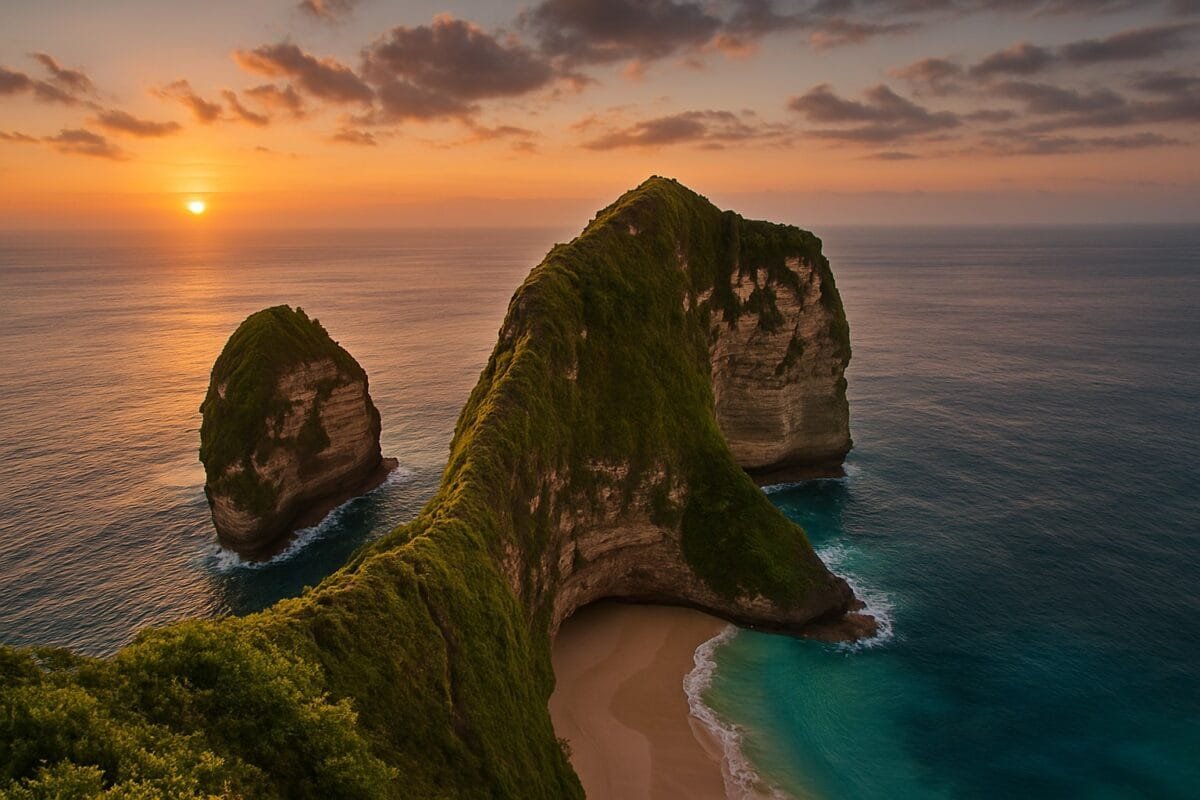
Environmental groups warned that the installation could compromise the stability of the iconic T-Rex-shaped formation.
🏞️ Impact on the Landscape
Kelingking Beach is one of Indonesia’s most recognizable natural landmarks. Critics argued the elevator would disrupt the cliff’s silhouette and diminish its natural beauty.
🧭 A Shift in Bali’s Tourism Policy
Bali’s government has increasingly emphasized sustainability.
The cancellation signals a move toward stricter oversight and greater protection of natural areas, especially on fast-developing Nusa Penida.
🌋 Background: A Symbol of Bali’s Growing Development Tensions
Bali has seen a rapid rise in new attractions such as skywalks, cliff viewpoints, glamping resorts, and other tourism facilities.
At the same time, concerns have grown around environmental degradation, waste management issues, pressure on water resources, and the loss of cultural identity.
Kelingking’s case demonstrates that not all development proposals will be approved — particularly in ecologically sensitive zones.
🧭 What This Means for Travelers to Nusa Penida
✔️ Kelingking Beach Remains Open
Visitors can still enjoy the iconic viewpoint, hike the steep trail down to the beach, and fly drones where permitted.
❗ Expect Occasional Changes
Temporary closures, adjusted access routes, and weather-related restrictions may occur, especially during rainy season.
💡 Travel Tip: Check Ahead
Before visiting, it’s recommended to review Google Maps updates, check recent local news, or confirm details with tour operators.
🌿 Will the Glass Elevator Ever Be Built?
At this point, it seems unlikely.
Officials hinted that restarting the project would require new regulations — and potentially a different location entirely.
Kelingking may become a symbolic example of Bali’s move toward more sustainable tourism practices.
🧳 Conclusion: A Strong Signal for Nusa Penida’s Future
The cancellation of the Kelingking Glass Elevator protects a fragile natural wonder, prevents further coastal damage, sets clearer boundaries for investors, and reinforces Bali’s shift toward responsible tourism.
For travelers, Kelingking remains a breathtaking highlight — precisely because it stays natural.