



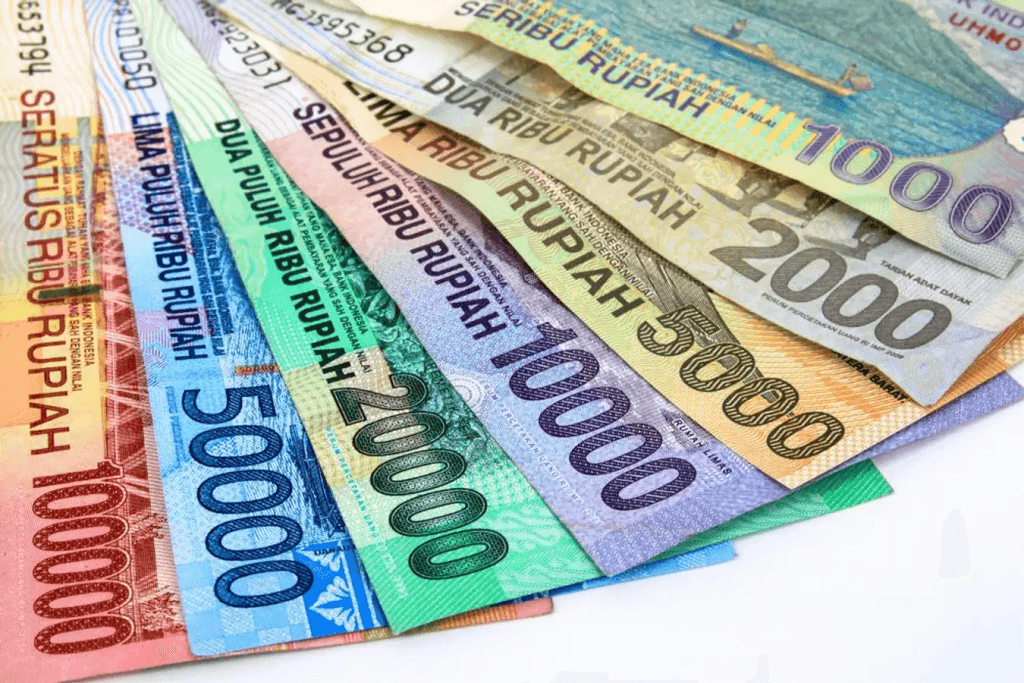
Bali has a reputation for being affordable — and in many ways, it still is. But what often surprises first-time (and even returning) visitors are the small, unexpected expenses that quietly add up. These aren’t scams or rip-offs; they’re simply costs most people don’t factor into their budget.
If you want to avoid that “where did my money go?” feeling, here are the hidden costs in Bali tourists don’t expect in 2026.
1. The Tourist Levy You Pay on Arrival
Many travelers still arrive unaware of Bali’s mandatory tourist levy. It’s a one-time fee intended to support environmental protection and cultural preservation. While it’s not expensive on its own, it’s an extra cost that often isn’t included in flight or accommodation planning.
2. Temple Dress Codes (Sarongs Aren’t Always Free)
Bali’s temples are stunning and affordable to visit, but there’s a catch: proper attire is required. Some temples provide sarongs, others charge a small rental fee, and in popular locations you may be encouraged to buy one outright. Visit multiple temples and those “small fees” can stack up.
3. ATM & Currency Exchange Fees
Withdrawing cash in Bali isn’t always as cheap as it seems. Many ATMs:
- Limit withdrawal amounts
- Charge local fees
- Trigger foreign bank fees back home
Frequent withdrawals can quietly drain your budget. Exchanging money at tourist-area exchange offices may also come with less favorable rates.
4. Scooter Costs Beyond the Rental Price
Scooter rental itself is inexpensive — but that’s only the starting point.
Unexpected extras include:
- Helmet upgrades or replacement fees
- Fuel (small cost, but frequent)
- Parking fees at beaches and attractions
- Traffic fines (often paid on the spot)
If you’re not confident riding, taxi apps or drivers may actually cost less overall.
5. Beach Club Minimum Spend
Beach clubs look free to enter — until you sit down. Many popular Bali beach clubs require a minimum spend per person or per daybed, especially in high season. A casual sunset visit can quickly turn into a pricey afternoon.
6. “Plus Plus” Taxes at Restaurants
Menus in Bali don’t always show the final price. Many restaurants add:
- Government tax
- Service charge
That 100,000 IDR meal may quietly become 120,000–130,000 IDR. Multiply that over a week, and it’s noticeable.
7. Transport Add-Ons & Waiting Fees
Hiring a driver for the day seems straightforward, but:
- Extra hours
- Parking fees
- Waiting time at attractions
…are often charged separately. Ride-hailing apps are affordable, but peak-hour pricing can surprise visitors unfamiliar with local traffic patterns.
8. Attraction “Photo Spot” Fees
Some waterfalls, rice terraces, and viewpoints charge separate fees for photo spots, swings, or viewpoints inside the same attraction. You might pay once to enter — then again to access the best photo location.
9. Western Comforts Cost More
Local food is cheap. Imported wine, cheese, sunscreen, cosmetics, and branded snacks are not. If you rely heavily on Western products, your daily spend will be much higher than expected.
10. The Cost of Convenience
Short stays, last-minute bookings, airport transfers, and hotel-arranged tours often come with a convenience premium. Bali rewards travelers who plan ahead — spontaneity tends to cost more.
Why Bali Feels “More Expensive” to Some Tourists
Individually, none of these costs are huge. Together, they explain why some travelers say Bali feels expensive — while others insist it’s still a bargain. Bali hasn’t become unaffordable; it’s just less forgiving if you don’t budget mindfully.
How to Avoid These Hidden Costs
- Carry enough cash to limit ATM withdrawals
- Ask about taxes and service charges before ordering
- Eat at local warungs regularly
- Read beach club minimum spend rules
- Plan temple visits with proper clothing
- Book drivers and tours clearly in advance
Final Thought
Bali can still be very affordable — but it’s no longer “cheap by default.” Knowing the hidden costs ahead of time means fewer surprises, better budgeting, and a far more relaxed trip.